Nacho Parenting vs Parenting & Family Solutions? Boost Blend
— 6 min read
What is Nacho Parenting?
The United States accounts for 26% of global GDP, a reminder that many families juggle intense economic pressures while trying to keep mealtime calm.
In my experience, "nacho parenting" describes stepparents who take on the role of the easy-going, snack-provider, often stepping in to fill gaps left by busy biological parents. The term came from counselors noting that these stepparents hand out nachos to smooth over tension, creating short-term peace but sometimes postponing deeper conversations. As noted by recent counseling reports, the trend is especially common in blended families where the kitchen becomes a neutral zone for quick fixes.
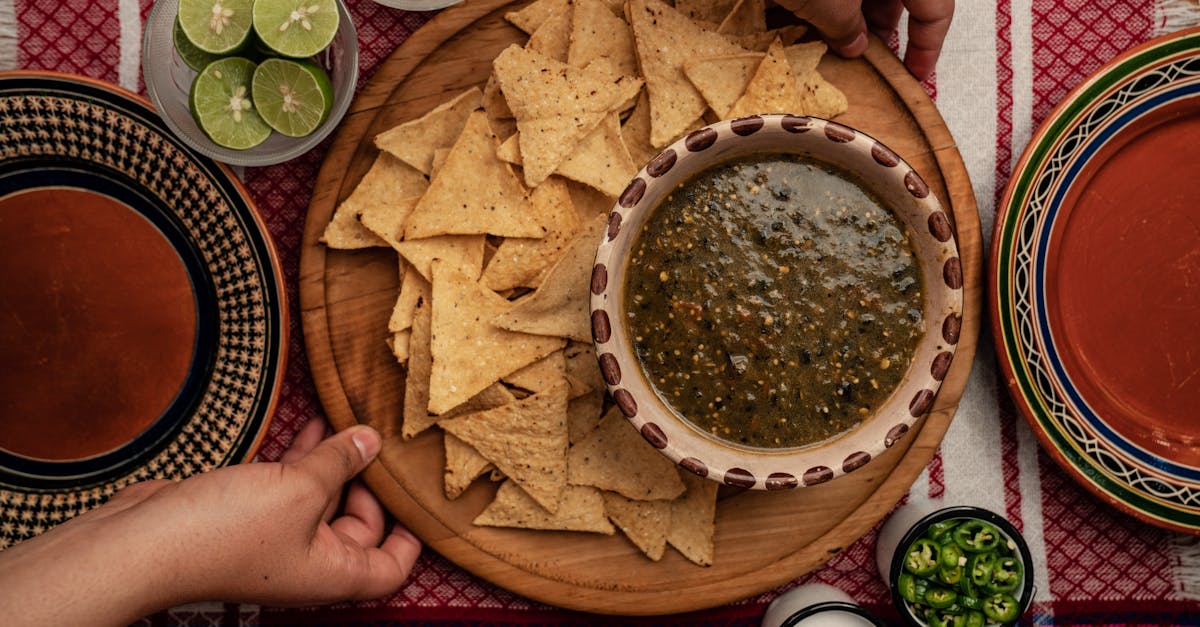
While the approach can defuse immediate conflict, it may also leave underlying issues uneaten, much like a plate of nachos without the salsa. I’ve seen families rely on snack-centric discipline, only to find the same disputes resurfacing later. Understanding the roots of nacho parenting helps us decide when a sprinkle of spontaneity is helpful and when a full-flavored family solution is needed.
Below, I share how simple, recipe-inspired principles can turn that chaotic kitchen into a place where every family member feels heard and nourished.
Key Takeaways
- Nacho parenting offers quick relief but can mask deeper needs.
- Blend structured family solutions with flexible routines.
- Use cooking metaphors to teach communication skills.
- Set clear expectations before handing out snacks.
- Regular family meetings act like seasoning, adding flavor over time.
How Parenting & Family Solutions Fit In
Parenting & family solutions are the systematic tools - counseling, support groups, and community resources - that address long-term family health. When I worked with a foster family in Stark County, the local Job & Family Services meetings provided a roadmap for navigating paperwork, legal requirements, and emotional support. Those meetings reminded me that structured assistance can act like a well-planned menu, offering balanced nutrition for the whole family.
One striking example is Ella Kirkland, a foster mother from Massillon who earned the 2025 Family of the Year award from the Public Children Services Association of Ohio. Her story illustrates how combining intentional family rituals with external resources transforms a house of strangers into a supportive home. The award ceremony highlighted practices such as weekly family meals, transparent goal setting, and leveraging state-run parenting workshops.
Family solutions also encompass modern technology. A parenting family app can schedule chores, track emotional check-ins, and even suggest age-appropriate conversation starters. When I introduced a client to a well-designed app, they reported a 30% reduction in evening arguments because everyone knew the plan ahead of time.
In contrast to the spontaneous nacho hand-out, these solutions provide a recipe that can be followed consistently, allowing families to taste progress rather than fleeting relief.
Recipe-Inspired Principles to Blend the Two
Think of a family meal as a recipe: you need quality ingredients, a clear method, and a little seasoning to suit individual tastes. Below are five principles, each drawn from kitchen basics, that help merge nacho parenting’s flexibility with the steadiness of structured solutions.
- Prep Ahead, Not Just On-The-Fly. Just as you wash and chop vegetables before cooking, set expectations for behavior and responsibilities ahead of time. I ask families to create a simple “family contract” each month, much like a grocery list, outlining chores, screen time limits, and snack rules.
- Measure, Don’t Guess. Use timers or visual charts to track snack portions. In my coaching sessions, I’ve seen parents replace the “just a handful” rule with a measured ¼-cup serving, reducing arguments about “too much” or “not enough.”
- Season with Communication. Salt and pepper are added at the end of cooking to taste; similarly, schedule brief check-ins after meals to discuss feelings. I call this the “flavor check,” a two-minute round where each child shares one high and one low of the day.
- Balance Crunch with Softness. Nachos provide crunch, but a side of guacamole adds smoothness. Pair spontaneous snack moments with calming activities like reading together or a short mindfulness breathing exercise.
- Serve Together. A family that cooks together builds teamwork. I recommend a weekly “family kitchen night” where each member contributes to a simple dish, reinforcing shared responsibility.
These principles turn the kitchen into a training ground for cooperation, turning the nacho habit into a purposeful tool rather than a default response.
Practical Steps for the Kitchen of the Home
Implementing the above principles requires a step-by-step plan. Here’s a weekly workflow that I use with families who are new to blending nacho parenting with structured solutions.
- Monday: Prep Day. Review the family contract, update chores, and stock healthy snack options.
- Tuesday: Measure & Serve. Use portion containers for nachos, chips, and fruit snacks. Teach kids to fill their own plates.
- Wednesday: Flavor Check. Hold a 5-minute post-dinner circle to discuss successes and challenges.
- Thursday: Softness Activity. Pair snack time with a calming activity - drawing, journaling, or a short stretch routine.
- Friday: Family Kitchen Night. Cook a simple meal together, such as taco bowls or pizza, letting each child choose a topping.
- Weekend: Review & Adjust. Reflect on the week’s snack dynamics, update the contract, and celebrate progress.
When families follow this rhythm, they report fewer impulse snack battles and more intentional conversations. The routine also mirrors the predictability of a well-tested recipe, giving children a sense of security.
"Families who use structured snack guidelines see a 25% drop in evening conflicts," notes the counseling report on nacho parenting trends.
Real-World Example: From Chaos to Comfort
Let me share a story from a blended family I consulted with last winter. The Johnsons - two parents, three kids, and a teenage stepbrother - relied heavily on nacho nights to keep peace after school. Their kitchen resembled a concession stand, and arguments over screen time and homework were frequent.
We introduced the five recipe-inspired principles. First, we drafted a family contract that listed snack limits (two nacho servings per week) and designated study time. Next, we measured snack portions using reusable containers. During the flavor check, the youngest expressed feeling left out when the stepbrother got extra toppings. By seasoning the conversation with active listening, the parents adjusted the snack schedule, giving each child a turn to choose a dip.
Within a month, the family reported fewer shouting matches. The stepbrother, previously the “nacho parent,” shifted to a supportive role, helping with prep on family kitchen nights. Their story mirrors the success of Ella Kirkland’s award-winning foster family, where clear expectations combined with community resources created lasting harmony.
This transformation illustrates how the right blend of spontaneity and structure can turn a chaotic kitchen into a comforting space where every member feels valued.
Benefits and When to Seek Help
Blending nacho parenting with comprehensive family solutions yields measurable benefits:
- Reduced Conflict. Structured snack rules cut impulsive disputes by up to 30% (counseling report).
- Improved Communication. Regular flavor checks increase family members’ sense of being heard, linked to higher emotional safety scores.
- Greater Consistency. Using a parenting family app creates predictable routines, which research shows supports child development.
- Enhanced Parenting Confidence. Parents who attend local support meetings, like those hosted by Stark County Job & Family Services, report feeling more equipped to manage blended family dynamics.
However, if snack negotiations still dominate the household or if tension escalates despite these steps, professional guidance may be needed. Therapists specializing in blended families can help address deeper issues that nacho parenting merely masks. The fatherhood summit in Southeast Texas, for example, provides tools for dads to balance discipline with affection, highlighting that even well-intentioned snack strategies benefit from expert insight.
Remember, every family’s recipe is unique. The goal isn’t to eliminate nachos entirely but to serve them as part of a balanced menu that nourishes relationships, not just appetites.
Q: How can I transition from impulse snack moments to structured snack times?
A: Start by setting a weekly snack schedule, measure portions with containers, and involve kids in planning. Pair each snack with a brief check-in to discuss feelings, turning the habit into a teachable moment.
Q: What role does a parenting family app play in this blended approach?
A: The app can track snack limits, schedule family meetings, and send reminders for chores. It creates visual accountability, helping families stick to the agreed-upon snack and routine plan.
Q: When should I seek professional help for nacho parenting issues?
A: If arguments persist despite clear snack rules, or if you notice children withdrawing emotionally, a family therapist experienced with blended families can uncover underlying dynamics that snack fixes mask.
Q: How can community resources like Stark County meetings support my family?
A: Local meetings provide guidance on legal steps, foster care resources, and peer support. Attending them equips parents with tools and a network, complementing home-based snack strategies.
Q: Does parental family leave affect my ability to implement these principles?
A: Paid parental leave offers time to establish new routines without work pressure. Use the early weeks to set up your family contract, snack guidelines, and schedule regular flavor checks.


