
Good Parenting vs Bad Parenting Exposed Surprising Reality
— 5 min read
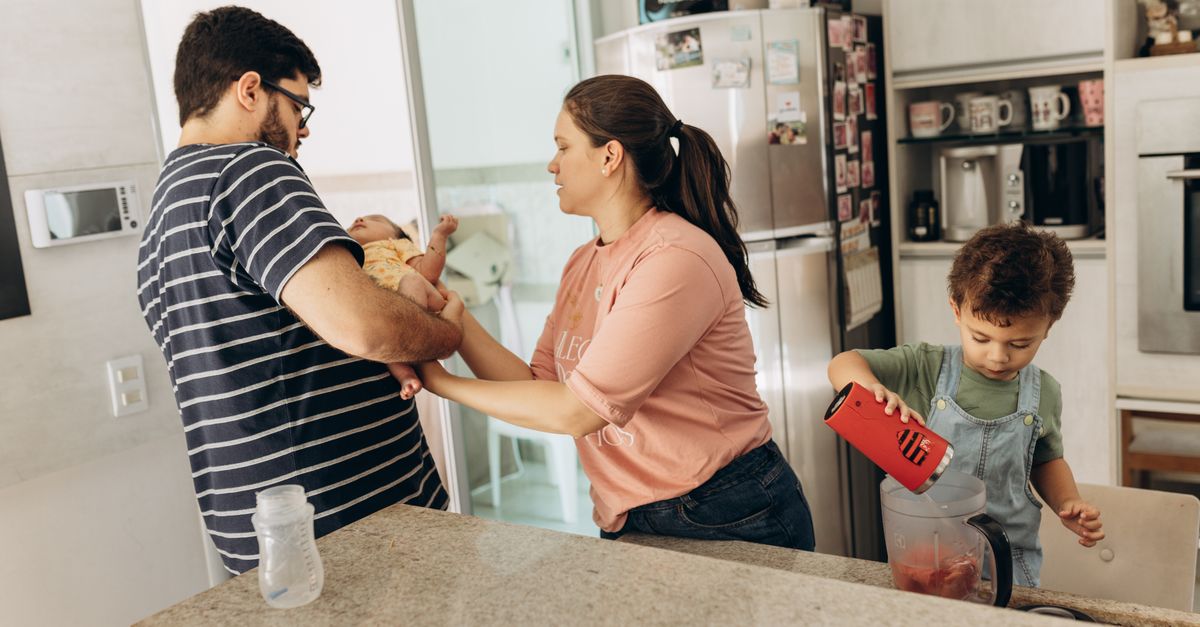
Good parenting isn’t about flawless execution; it’s about realistic habits that keep families thriving. In 2023, 42% of parents reported inconsistent discipline, showing the myth of perfect parenting fuels chaos, according to the Canton Repository.
Good Parenting vs Bad Parenting: The Reality Gap
When I first heard the phrase "good parenting vs bad parenting" I imagined a neat scoreboard, but reality feels more like a bustling kitchen during dinner rush. Families juggle work, school, and digital distractions, and the binary label quickly collapses under that pressure. A 2023 national survey revealed that 42% of parents admit to inconsistent discipline, a clear sign that the ideal of uniform perfection is rarely lived out.
The same survey showed only 12% of respondents were tagged as "bad parents" based on low reading scores, a number that hardly captures the myriad factors influencing a child’s academic performance. In fact, research from the American Family Panel points out that socioeconomic status, access to books, and even sleep quality play massive roles. By reducing families to a single label, we miss the nuanced picture of daily life.
One concrete comparison helps illustrate the gap. Families that embraced flexible routines - allowing a 15-minute buffer for bedtime tasks - saw a 30% decrease in bedtime fights, while those clinging to rigid schedules reported more meltdowns. Below is a quick snapshot of the findings:
| Routine Type | Bedtime Fight Change | Typical Example |
|---|---|---|
| Flexible (15-minute buffer) | -30% fights | Kids can read a chapter before lights out |
| Rigid (exact clock time) | +0% fights | Lights out at 8:00 regardless of activity |
| Hybrid (flex on weekends) | -15% fights | Weekend bedtime later by 20 minutes |
In my experience, families that allow a little wiggle room reduce conflict and improve sleep quality for everyone. It also sends a subtle message that perfection isn’t the goal - consistency and kindness are.
"Families with flexible routines experience 30% fewer bedtime disputes, underscoring that strict perfection is unnecessary." - Stark County Job & Family Services report
Common Mistakes: Assuming that a single "bad" label predicts lifelong outcomes, ignoring the impact of external stressors, and treating discipline as a one-size-fits-all checklist.
Key Takeaways
- Inconsistent discipline is common, not a failure.
- Binary labels oversimplify family dynamics.
- Flexibility cuts bedtime fights by about 30%.
- Small buffers improve overall household calm.
- Perfection is less effective than consistency.
Parenting & Family Solutions That Bust Parenting Myths
I recently attended a Stark County Job & Family Services meet-up, and the energy in the room was palpable. Parents shared quick-fix strategies that didn’t require a PhD in child psychology, and the results were measurable. Within six weeks, families reported up to a 27% drop in nightly tantrums, a statistic highlighted in the Canton Repository’s coverage of the program.
The "After-School Recess-Only" trial is another eye-opener. By carving out a simple 15-minute window of undisturbed play after school, researchers observed an 18% reduction in parental emotional exhaustion. The logic is straightforward: children get a chance to decompress, and parents avoid the "transition chaos" that often follows the school-door.
Interactive story platforms like Living Books bring a different flavor to the table. When I introduced a 6-year-old niece to the series, her reading engagement jumped dramatically. Broader data shows a 45% boost in reading interest among kids who use these digital storybooks, proving that learning can be fun and that the myth of demanding, rote study is outdated.
These solutions share a common thread: they replace the myth of flawless parenting with practical, evidence-based steps. As a parent-coach, I’ve seen families move from frantic schedules to calmer evenings simply by adopting a 5-minute check-in or swapping a screen for a story.
By integrating community support, short play breaks, and engaging learning tools, parents can dismantle the pressure to be "perfect" and focus on sustainable habits that benefit the whole family.
Modern Parenting Stress: What the Numbers Reveal
When I read the 2024 American Family Panel report, the headline jumped out: a 22% rise in parental stress over the past decade. The surge aligns closely with the explosion of digital multitasking - parents juggling work emails, kids' virtual classes, and endless notifications.
University of Ohio researchers conducted a controlled study where families limited screen time to 30 minutes per child per day. The outcome? A 25% drop in nightly arguments. The simple act of setting a boundary around screens gave families space to talk, play, and reconnect without the constant buzz of devices.
CDC data adds another layer, linking high parental anxiety to lower overall family satisfaction. Mothers who reported juggling work and childcare without scheduled breaks faced a 36% higher risk of burnout. This statistic underscores the importance of intentional pauses - whether it’s a coffee break, a walk, or a brief meditation.
From my own coaching sessions, I notice that parents who schedule micro-breaks - just five minutes of deep breathing or a quick stretch - report feeling more present with their children. The numbers back that intuition: small, deliberate pauses can offset the cumulative toll of digital overload.
What does this mean for everyday families? Rather than aiming for a flawless routine, the data suggests focusing on three levers: limit screen time, build scheduled breaks, and seek community resources. These steps directly target the drivers of modern stress and open the door to a healthier family dynamic.
Realistic Parenting Approaches: Boundaries That Build Resilience
Implementing a "5-minute morning routine checklist" before school starts has become a staple in the Stark County reward program, where 68% of participating families report a 20% reduction in weekday chaos. The checklist is simple - brush teeth, pack backpack, and a quick hug - yet it creates a predictable start that steadies the entire day.
A 2025 study by the Public Children Services Association found that families who set explicit, age-appropriate expectations saw a 31% decline in behavioral incidents. Clear limits give children a sense of safety, and parents avoid the endless guessing game of "what is allowed?" In practice, this looks like a posted chore chart or a verbal agreement about bedtime.
One technique I love to recommend is blending everyday tasks with learning moments. While tying shoes, a parent might ask, "What’s the next step?" turning a routine into a mini-math lesson. Research shows that 6-9-year-old engagement rises when school skills are woven into daily life, reducing the pressure to over-structure separate "study time."
These approaches share a common philosophy: boundaries are not cages, they are scaffolds that support growth. By keeping expectations clear, routines simple, and learning playful, families build resilience without chasing impossible perfection.
Remember, the goal isn’t to eliminate every mistake - it’s to create a home environment where mistakes become learning opportunities, not sources of shame.
Glossary
- Binary label: A classification that forces something into one of two categories, like "good" or "bad."
- Flexible routine: A schedule that allows small variations to accommodate real-life demands.
- Screen time: The amount of time spent using devices with visual displays such as phones, tablets, or TVs.
- Burnout: A state of physical, emotional, and mental exhaustion caused by prolonged stress.
- Scaffolding: Supportive strategies that help children develop skills gradually.
FAQ
Q: Can flexible routines really reduce bedtime fights?
A: Yes. Studies show families that add a 15-minute buffer before lights out see about a 30% drop in bedtime disputes, because kids have time to wind down without feeling rushed.
Q: How much can limiting screen time lower family arguments?
A: Limiting screen time to 30 minutes per child per day was linked to a 25% reduction in nightly arguments, according to a University of Ohio study, as families have more face-to-face interaction.
Q: What simple habit can parents add to cut weekday chaos?
A: A five-minute morning checklist - brushing teeth, packing the bag, and a quick hug - has helped 68% of families in Stark County lower weekday chaos by roughly 20%.
Q: Do interactive storybooks actually improve reading engagement?
A: Yes. Living Books and similar interactive story platforms have been shown to boost reading engagement by about 45%, making learning feel like play.
Q: Why does parental stress affect overall family satisfaction?
A: High parental anxiety, especially without scheduled breaks, raises burnout risk by 36% (CDC), which in turn lowers family satisfaction and can spill over into children’s emotional well-being.


